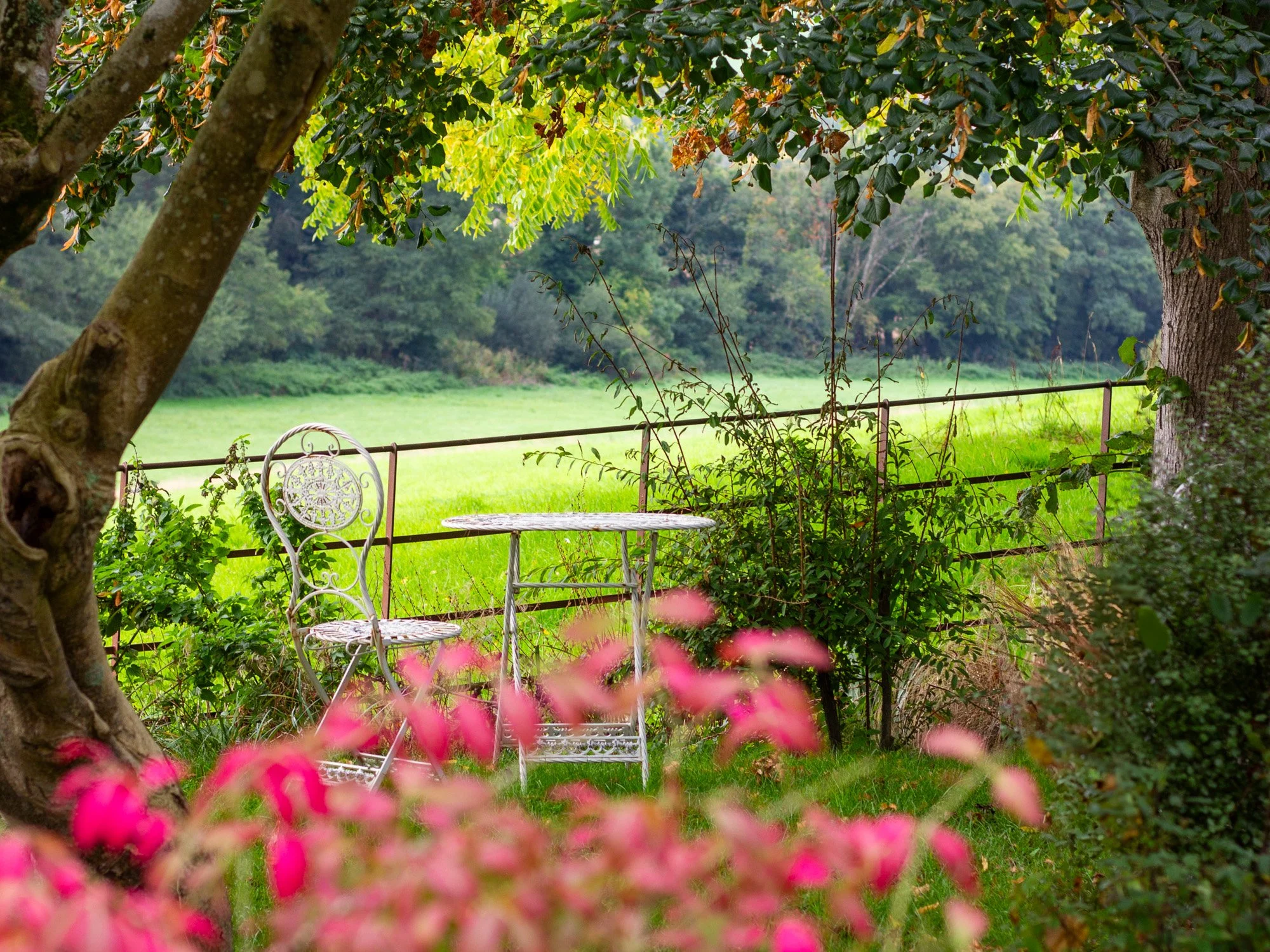
An historic Elizabethan manor and stunning garden nestled in the East Devon countryside, an Area of Outstanding Natural Beauty.
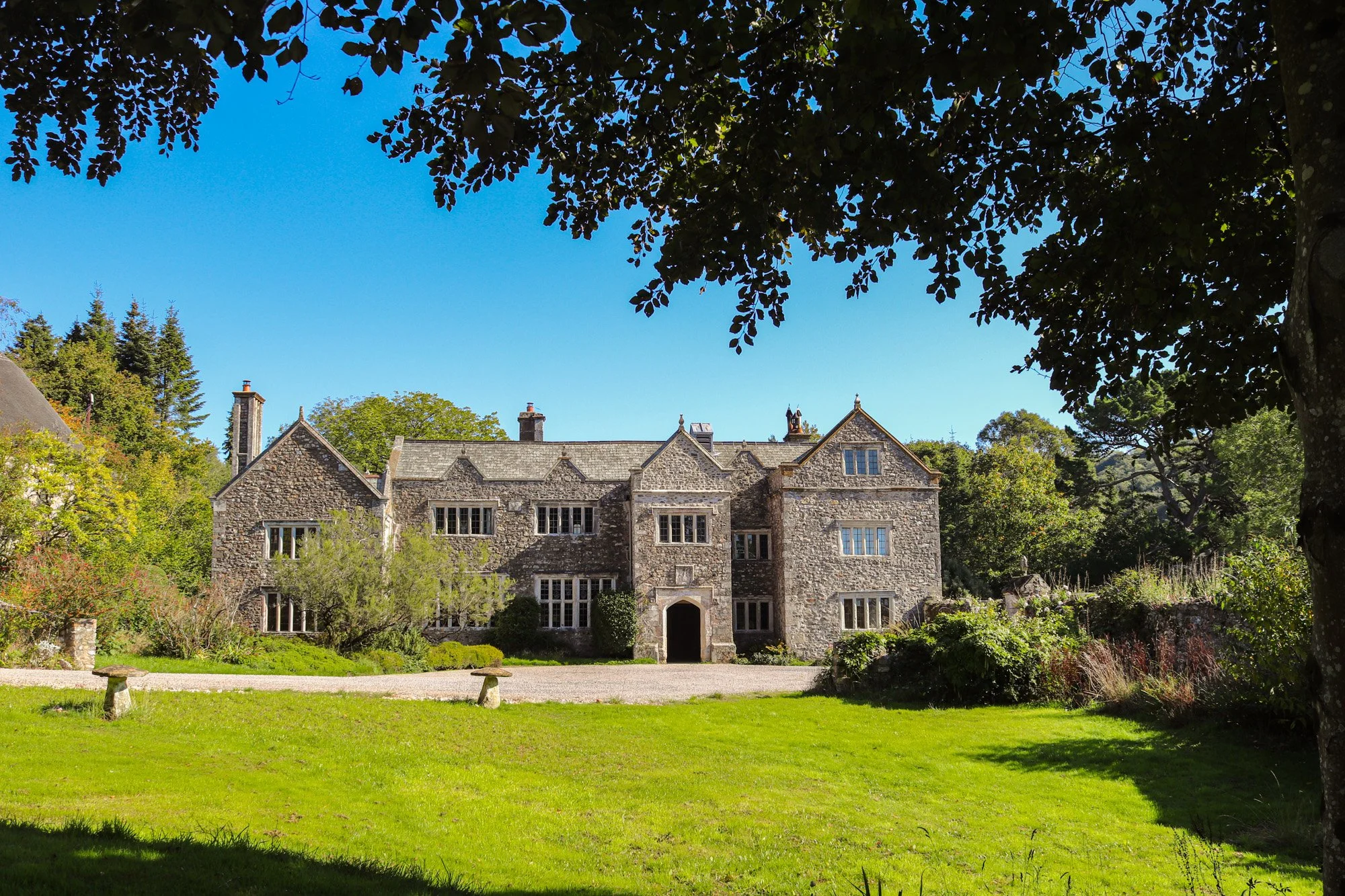
We are proud to open Sand to the public for the first time with our new guest accommodation, and to allow guests to soak up this unique manor and its captivating surroundings.
Whether enjoying breakfast in the Great Hall, relaxing by the fireplace, gazing at the stars while listening to owls, or viewing morning mists, there’s plenty of opportunity to unwind and enjoy this tranquil part of East Devon. We currently welcome guests in our bed and breakfast, though can also host events and weddings - please contact us if you would like further information.
Self-catering accommodation will also soon be available, so you can move in and feel at home in this incredible piece of English history.
The history
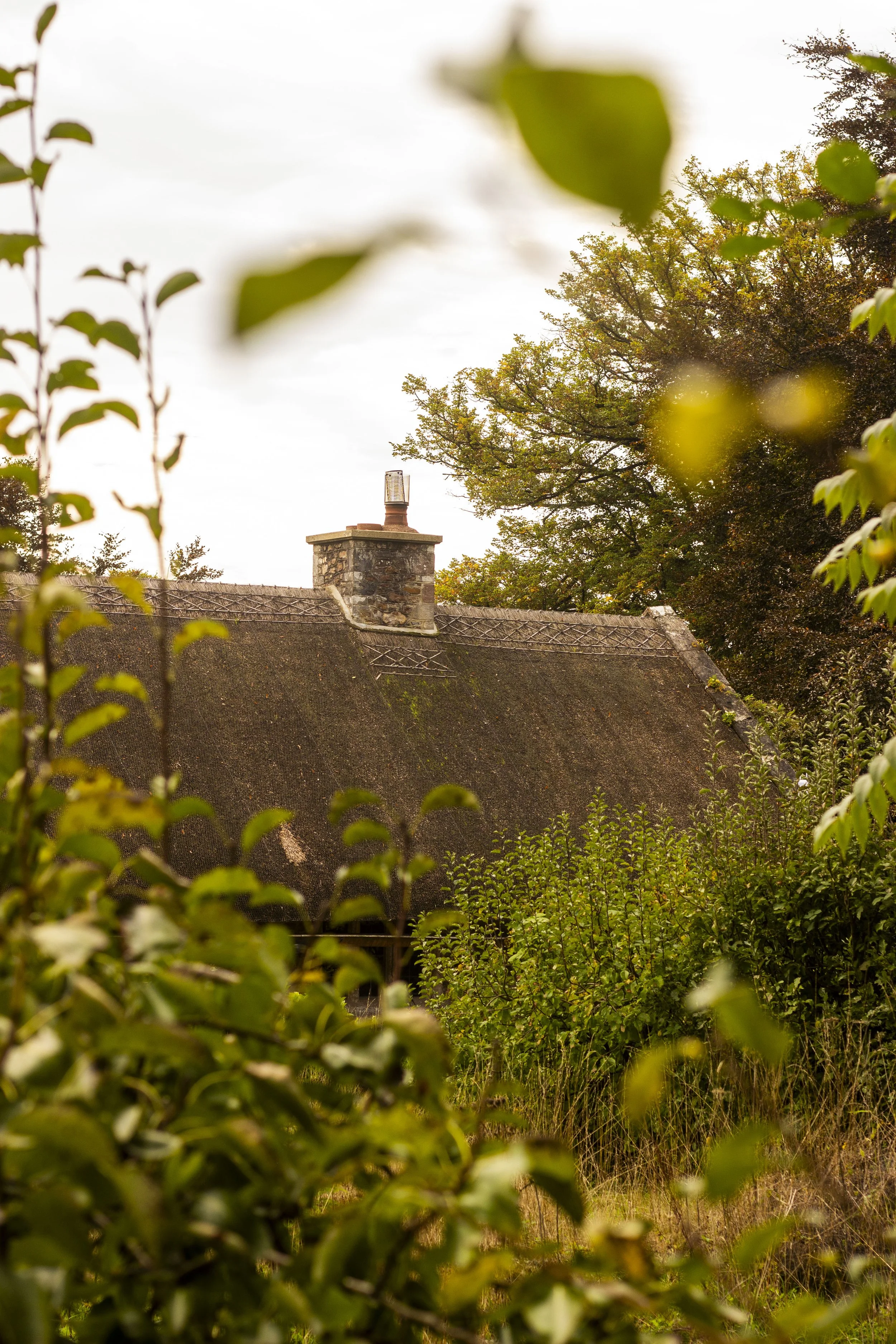
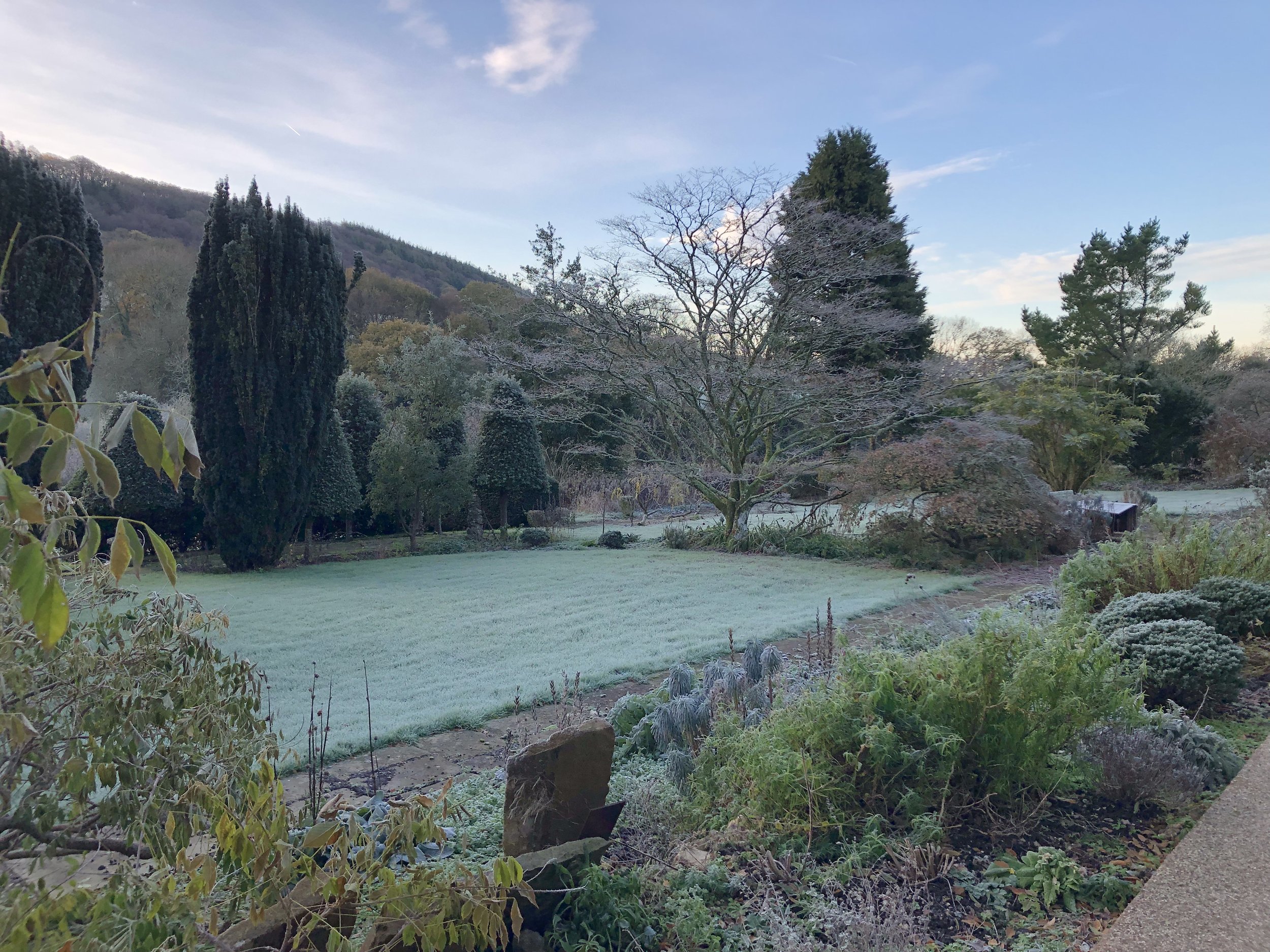
Overall, Sand Manor has early twentieth-century additions. Therefore, it is both the main house and adjacent Sand Lodge, and a thatched Hall House, which are Grade II* listed. The estate is situated on the south facing side of the Roncombe Valley, with the stream of the same name running through the bottom of the property’s land, joining the River Sid just north of Sidbury. Sidmouth is just a stone’s throw away, so you get the very best of the English countryside while being within a few minutes of the remarkable Devonshire coastline.

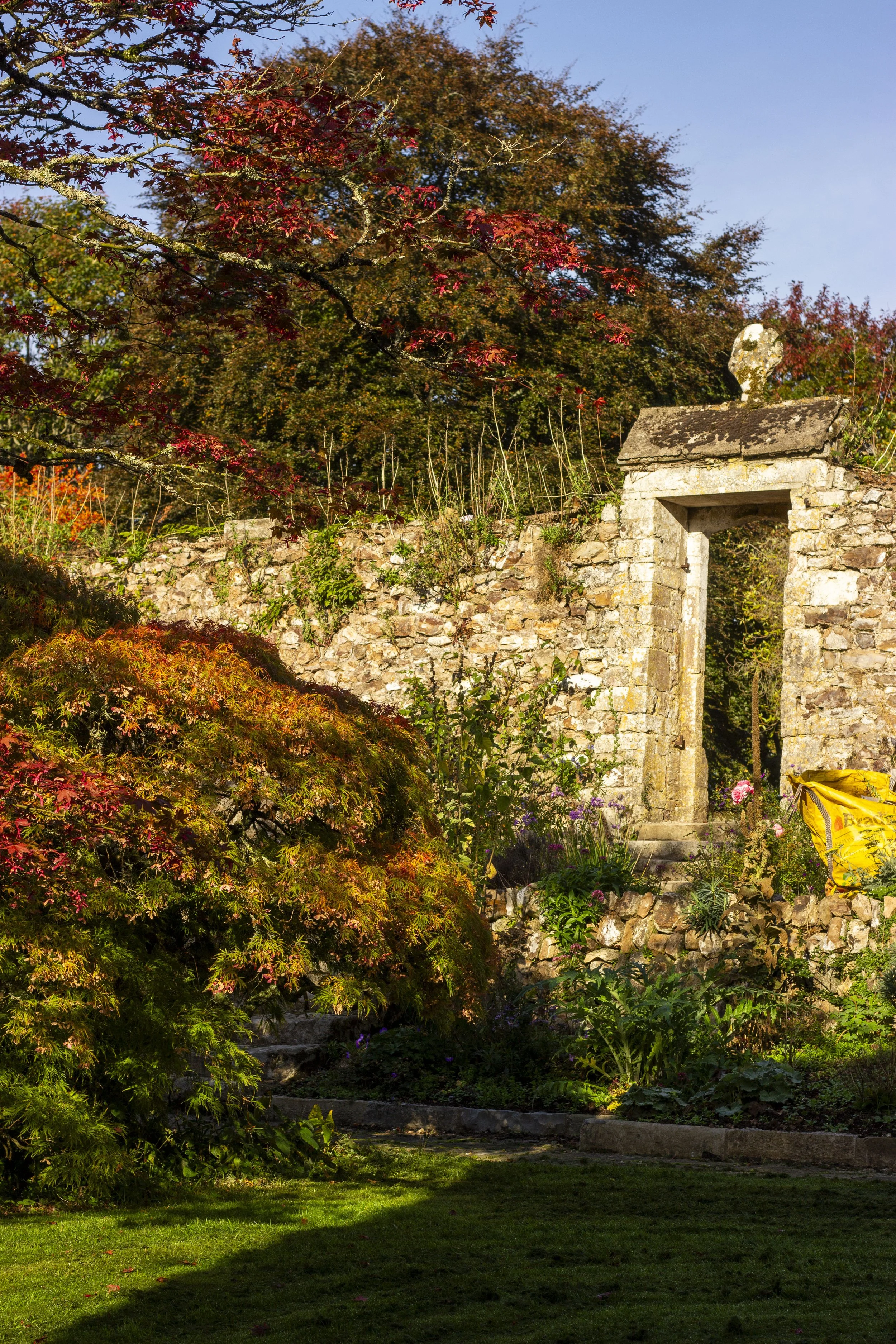
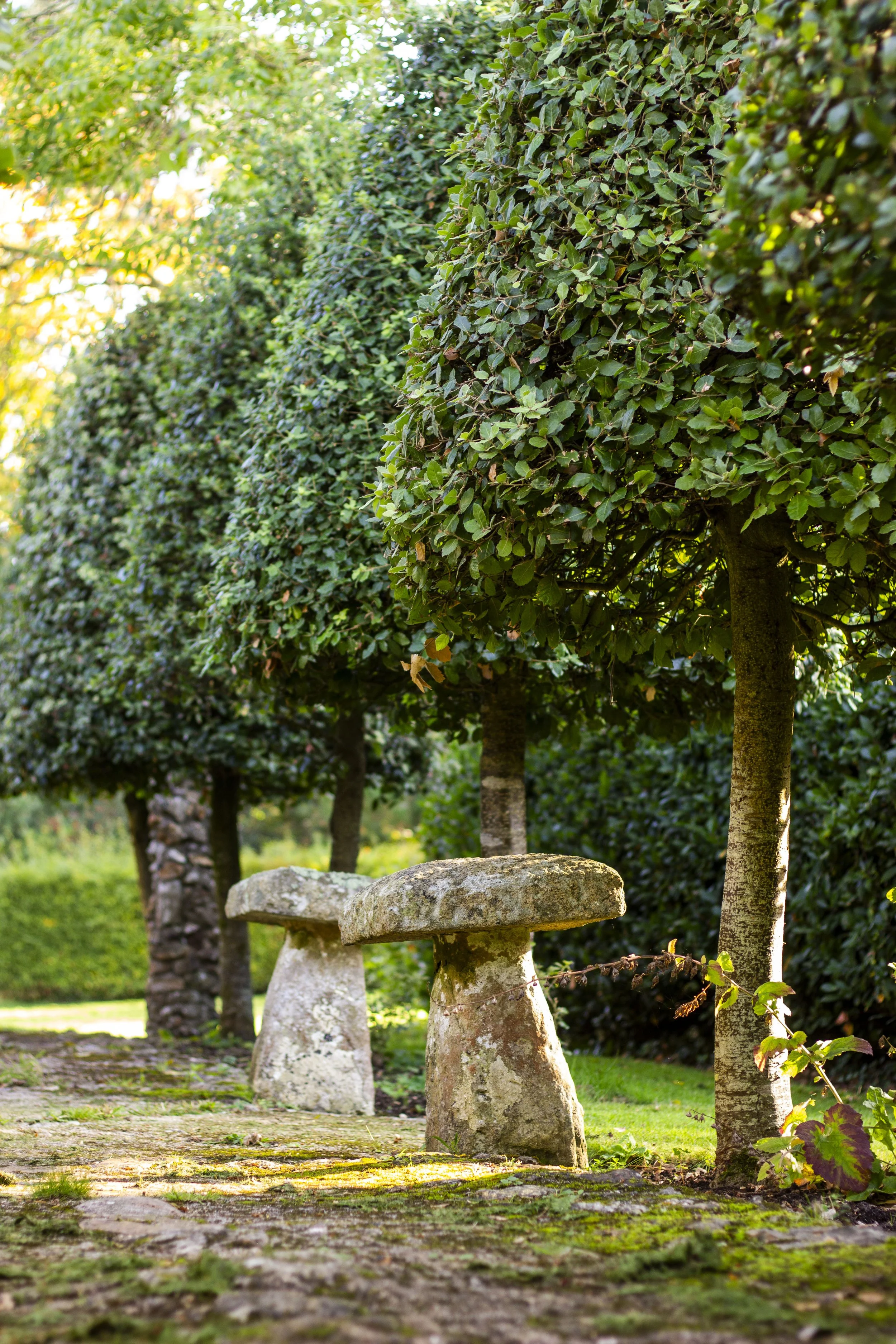
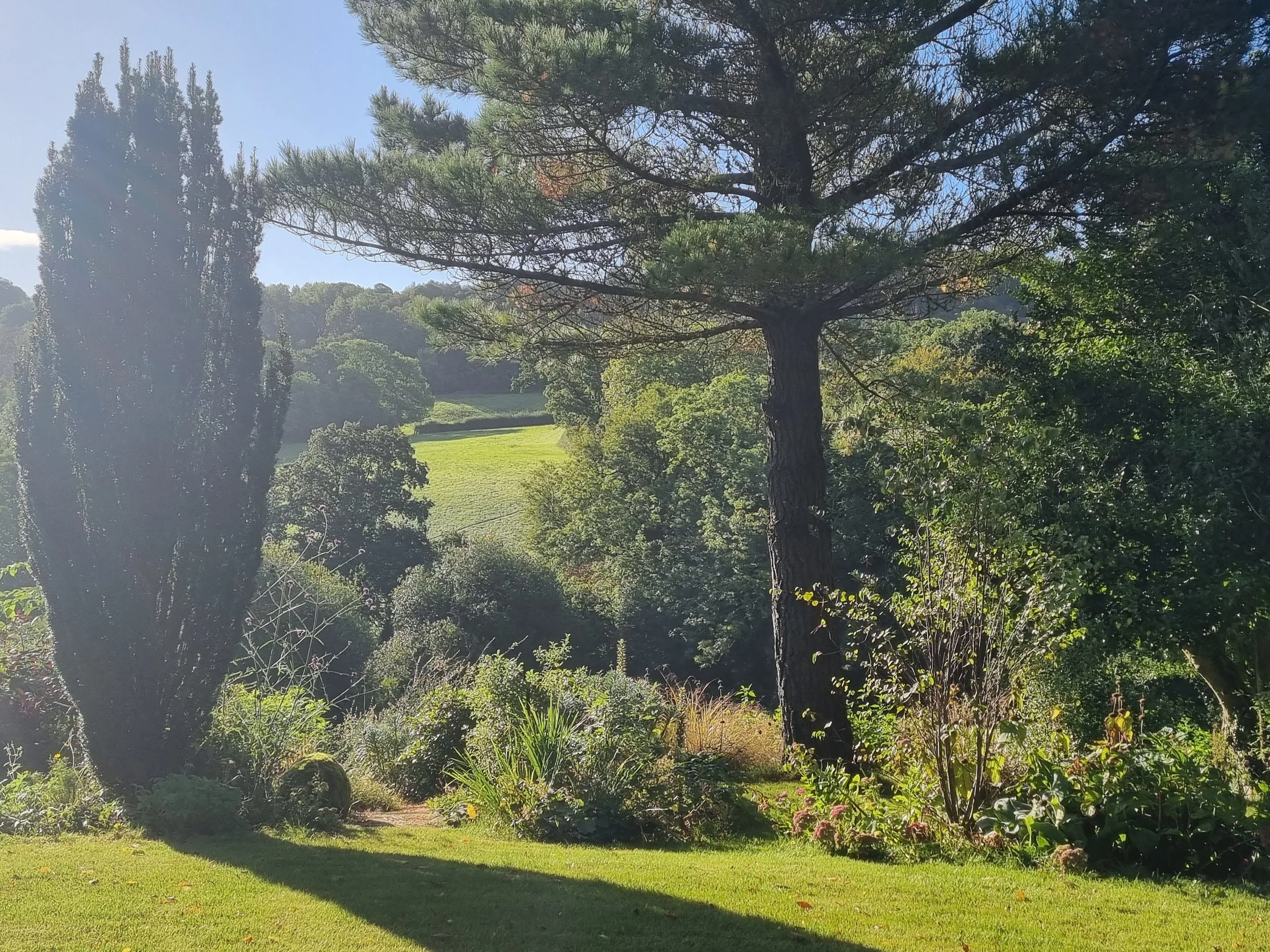
Although extensive renovations were completed in 1906, a great deal of the Elizabethan house still remains with a ground-floor hall to the left of the main entrance featuring two large six-light mullion windows. The main façade of the building faces southwest, with the southeast terraced gardens running down towards the river below. Much of the current garden was laid out around 1911, with further alterations in 1970, and it now includes a kitchen garden, mixed borders and woodland walks.
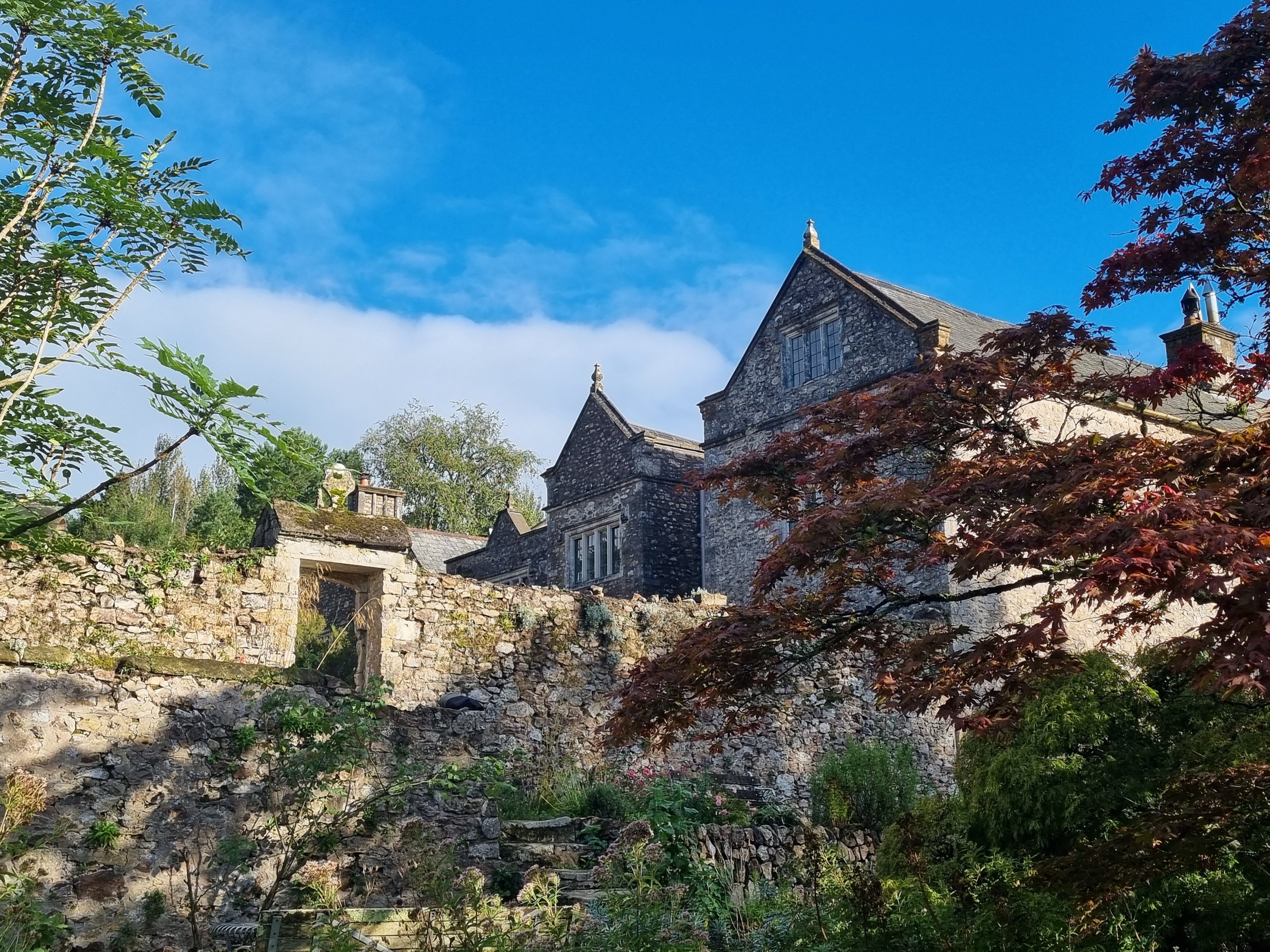
The house has its own intriguing tales of association such as the badge of Catherine of Aragon in the hall window linked to a possible visit in 1501. Because the estate was used as a farm for almost two hundred years it was spared continual refurbishment by subsequent owners. As a consequence many original elements remain, making Sand, both house and garden, an important feature in the history of East Devon.
You can read the full history of Sand Manor, extensively researched by Barbie Moul, here.